






+86 0512-57925888

sales@ptcsc.cn

Message

Semiconductor

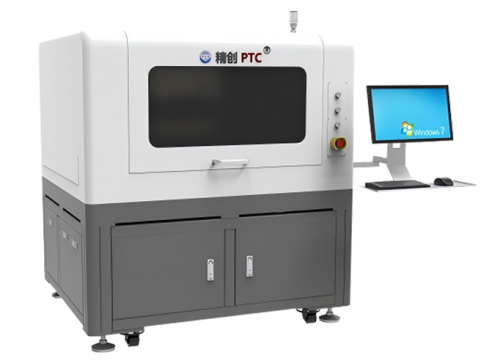
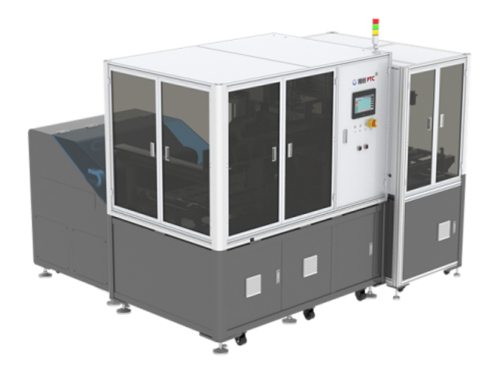
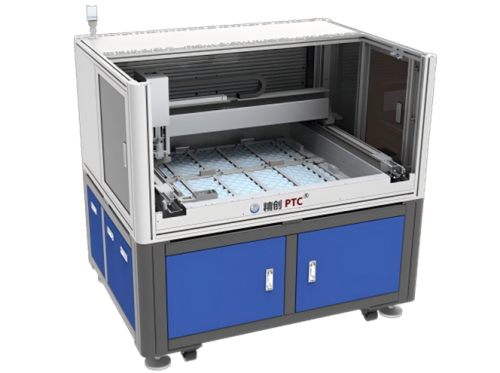
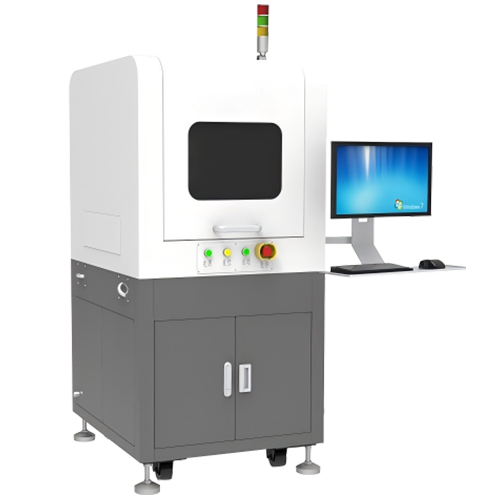
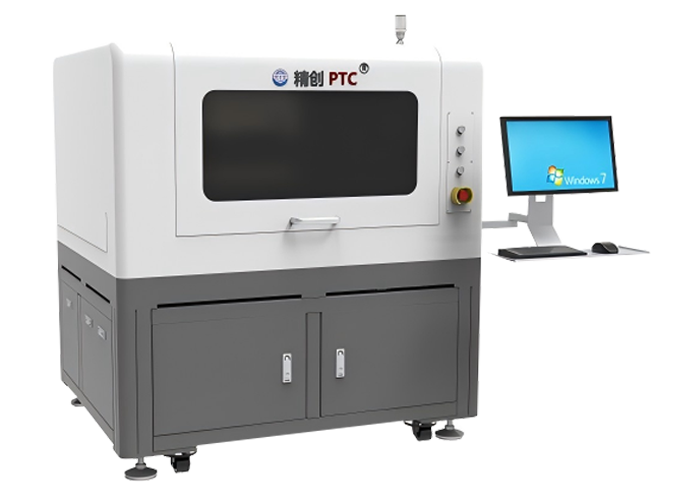
Ultrasonic Scanning Equipment - SAM120

Ultrasonic Scanning Equipment - SAM120

Product Introduction:

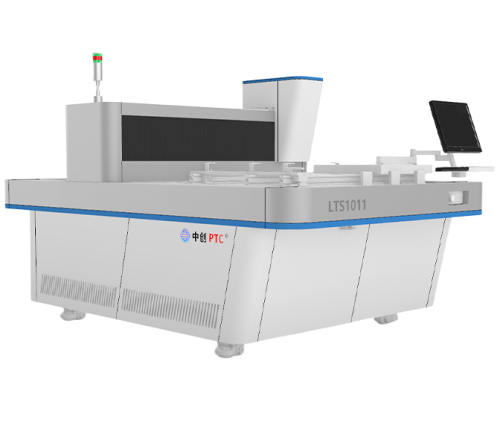
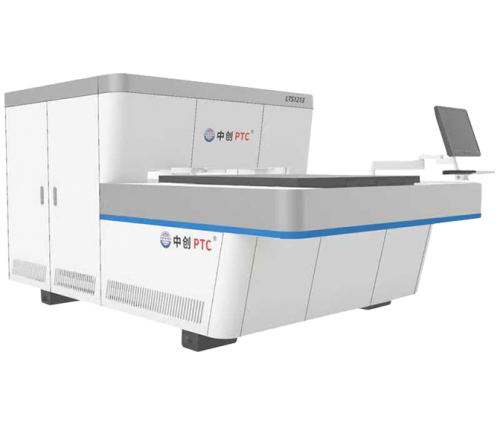
In order to improve the detection efficiency of the power semiconductor industry, our company has developed a semi-automatic ultrasonic non-destructive testing equipment, which mainly targets the detection of voids or bubbles at the joints of various layers of packaged power devices (heat sinks and copper-clad laminates, upper and lower copper surfaces of copper-clad laminates and substrates, chips and upper copper surfaces), and performs automatic marking.
Product Features

• Using a customized waterproof fixture as the carrier, multiple products can be loaded at one time.

• It has the functions of multi-layer simultaneous imaging and simultaneous detection of products.

• Automatically detect and record the location of defects.

• Each product is marked to facilitate subsequent viewing of scan images or scan records. It has the functions of A-scan, B-scan, C-scan, X-scan (multi-layer scanning) and Tray scanning.

• For different products, scan parameters and detection parameters are managed in the form of formulas, which is convenient for customers to call with one click twice. Don't repeatedly establish parameters.

Imaging Principle

  • 1750736982525.jpg

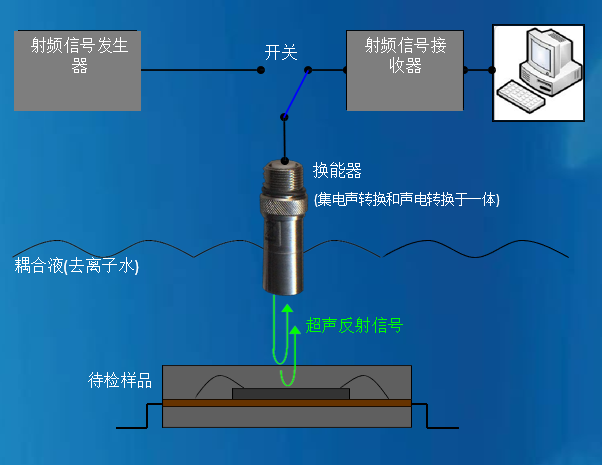
    C-scan (Reflection Scanning)

    The transducer is responsible for converting the electrical pulse signals generated by the radio frequency signal generator into high-frequency ultrasonic signals. With the aid of coupling fluid, the ultrasonic signals propagate to the device under test in C-scan working mode with extremely low attenuation (the transducer receives the ultrasonic reflection signals reflected from the surface and interior of the device under test). The transducer reconverts the ultrasonic signals into electrical signals and sends them to the signal receiver.

    The information such as amplitude, phase, and echo time of the received acoustic signals is processed by the signal processing system and presented as individual pixels with gray levels, thus forming an ultrasonic image containing information about various internal structural defects. As shown in the figure, the following is the working principle diagram of C-scan.

  • image.png

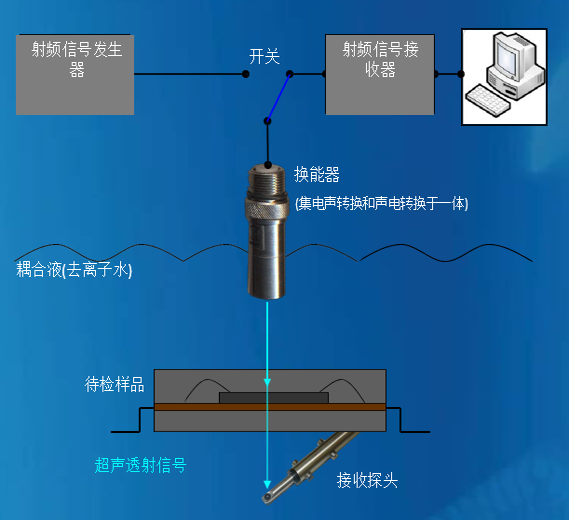
    T-scan (Transmission Scanning)

    The transducer is responsible for converting the electrical pulse signals generated by the radio frequency signal generator into high-frequency ultrasonic signals. With the help of coupling fluid, the ultrasonic signals propagate to the T-scan working mode of the device under test with extremely low attenuation (the transmission probe under the device under test receives the ultrasonic transmission signals that pass through the entire device). The transducer reconverts the ultrasonic signals into electrical signals and sends them to the signal receiver.

    The information such as amplitude, phase, and echo time of the received acoustic signals is processed by the signal processing system and displayed as pixels with gray levels, thereby forming an ultrasonic image containing information about various internal structural defects. As shown in the figure, the following is the working principle diagram of T-scan.

Home Products Telephone Message

Phone

Form

×